

Introduction
The history of modern Dubai is inextricably linked to a single, modest geographical feature: the Dubai Creek (Khor Dubai). This natural saltwater inlet has been the city’s beating heart for over a century, evolving from a small dhow anchorage for pearl divers and fishermen into the bustling nerve center of a global trading empire. The Creek’s story is a microcosm of Dubai’s own transformation, a narrative of visionary leadership, strategic investment, and an unshakable belief in the power of connectivity.
The Natural Harbor: The Foundation of a Trading Post
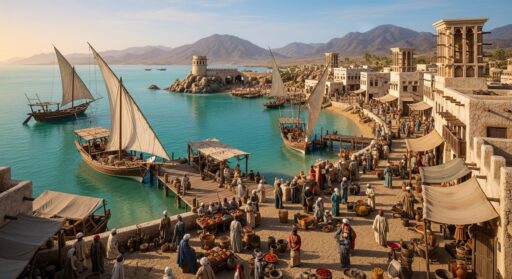
Long before skyscrapers, the Creek provided the one thing essential for a maritime settlement: a safe, deep-water harbor. Its location offered protection from the storms of the Arabian Gulf, making it a natural gathering point for the fishing and pearling communities. By the late 19th century, it had become a key node in the regional dhow trade, with goods flowing between the Arabian Peninsula, Persia, India, and East Africa. The settlements of Bur Dubai and Deira grew up on opposite banks, their economies centered entirely on the maritime activity of the Creek.
The Great Dredging: Sheikh Rashid’s Strategic Gamble
By the 1950s, the Creek was facing a crisis. It was silting up, threatening to choke the very trade that sustained Dubai. The then-ruler, Sheikh Rashid bin Saeed Al Maktoum, made a decision that would define the city’s future. Lacking oil wealth at the time, he took out a multi-million dollar loan from Kuwait to fund a massive dredging operation. This was a monumental gamble. The project deepened and widened the waterway, allowing larger vessels to access the wharves and transforming Dubai into the premier port in the Trucial States. This act demonstrated a core Dubai philosophy: to invest in infrastructure today for the prosperity of tomorrow.
The Dhow Wharves and the Abra: A Living Tradition
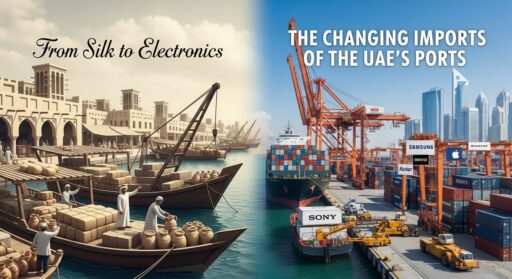
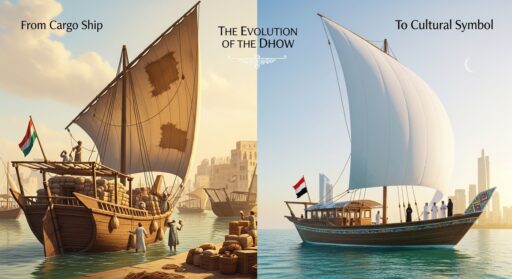
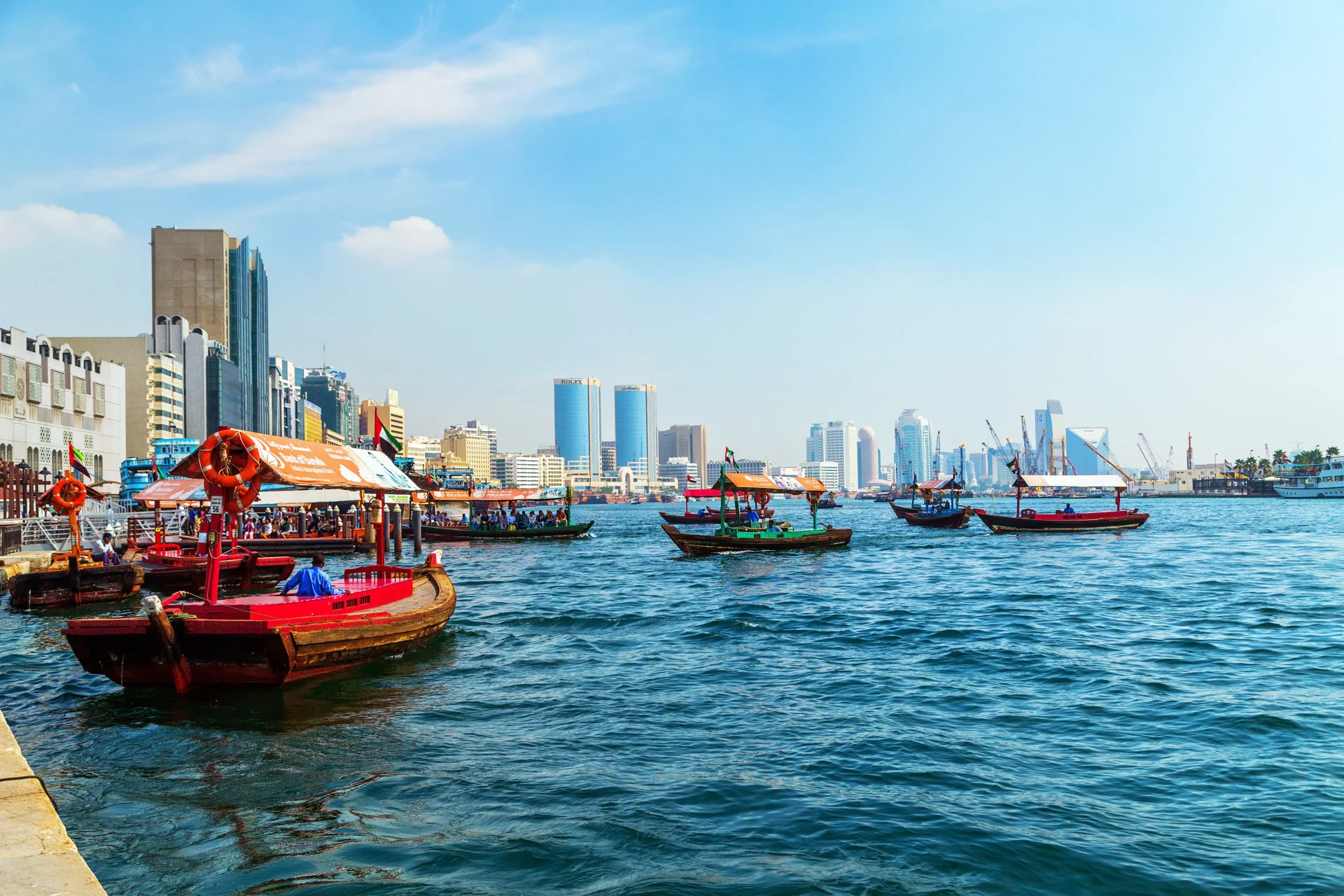
Even as modern container ports emerged, the Creek retained its traditional role. The dhow wharves on the Deira side remain a vibrant, chaotic, and mesmerizing sight. Wooden dhows, much like their ancestors, are still loaded with everything from air conditioners and car tires to dates and electronics, destined for ports in Iran, Somalia, and Yemen. Crossing the Creek on a traditional abra (water taxi) for just one dirham remains one of Dubai’s most authentic experiences, a daily ritual that connects the city’s glittering present to its humble, mercantile past.
The Evolution to Tourism and Culture
In recent decades, the role of the Creek has expanded from pure commerce to culture and tourism. The Al Fahidi Historical Neighbourhood on the Bur Dubai side showcases traditional architecture, while the nearby Dubai Museum tells the city’s story. The waterfront is now lined with parks, restaurants, and the stunning AI Seef development, which blends heritage-style buildings with modern retail. The Creek has been smartly repackaged as the “historic core” of Dubai, ensuring that its economic and cultural significance is preserved and celebrated even as the city expands around it.
Conclusion: The Eternal Lifeline
Dubai Creek is far more than a waterway; it is the spiritual and economic lifeline of the city. It is where the Al Maktoum family’s vision first took physical form, where the ethos of trade-over-oil was forged. From the wooden dhows carrying cargo to the modern abras ferrying tourists, the Creek continues to pulse with life and commerce. It stands as a powerful symbol of Dubai’s journey, proving that the most valuable natural resource a city can possess is not always underground, but sometimes a simple, strategic waterway, imaginatively developed and fiercely protected.