

Introduction
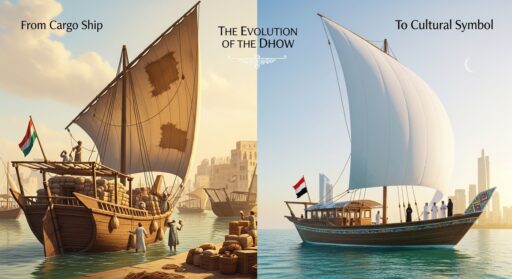
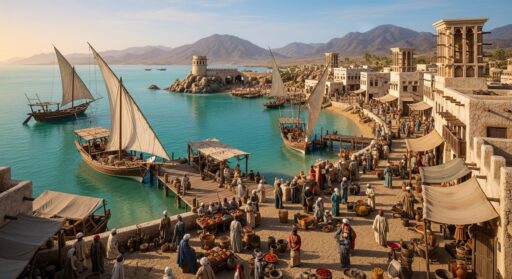
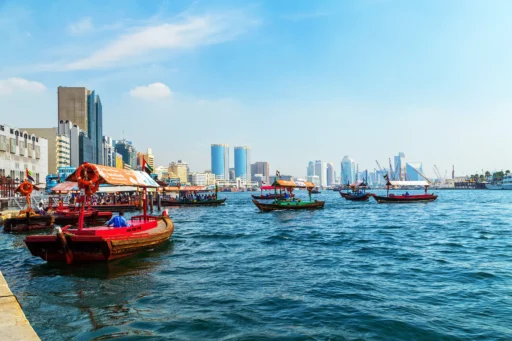
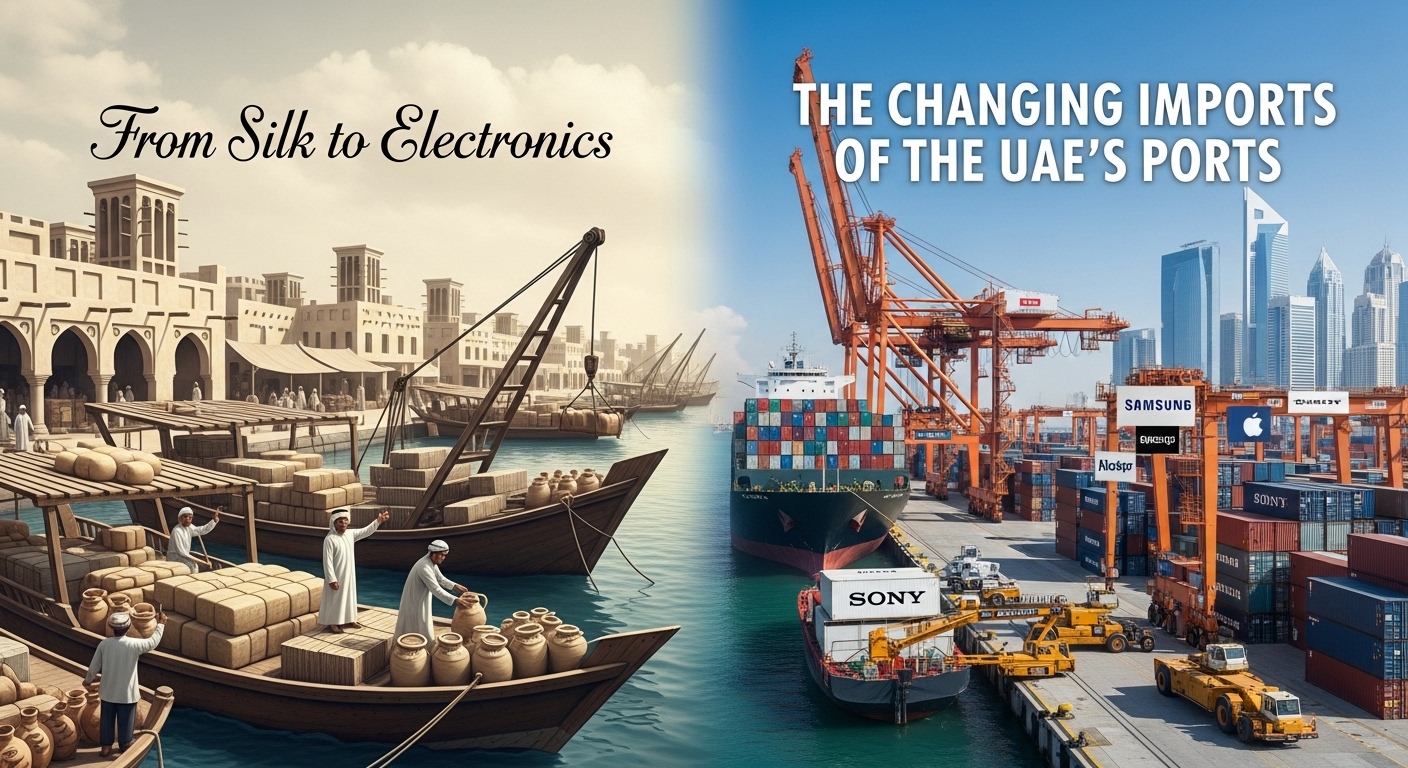
The cargo unloaded at the ports of the UAE tells the story of the nation’s evolving needs, aspirations, and economic priorities. For centuries, the dhows docking at creek-side wharves carried goods that reflected a subsistence and luxury economy. Today, the mega-container ships at Jebel Ali and Khalifa Port discharge a flood of items that power a modern, consumerist, and technologically advanced society. Tracking this shifting import profile is like reading an economic biography of the nation, from a humble trading post to a global consumption hub.
The Dhow Era: Essentials and Luxuries
In the pre-oil era, imports were a matter of survival and status. Dhows arriving from India, Persia, and East Africa carried essential goods that the arid environment could not produce.
- Foodstuffs: Rice, wheat, sugar, and tea were staple imports.
- Building Materials: Timber (especially teak from India) was crucial for constructing dhows and buildings.
- Textiles: Cotton and silk fabrics from India and Mesopotamia were highly valued.
- Luxuries: For those who could afford them, imports also included spices, incense, and porcelain from China.
These goods were traded for the region’s primary exports: pearls, dates, and dried fish, in an economy of comparative advantage.
The Early Oil Era: Building a Modern State
With the first flows of oil revenue in the 1960s and 70s, the nature of imports transformed dramatically. The focus shifted from consumer goods to capital goods—the materials needed to build a nation from the ground up. Ports were flooded with:
- Construction Materials: Cement, steel, heavy machinery, and electrical wiring for building roads, hospitals, schools, and housing.
- Automobiles: Cars and trucks to replace the camel and the dhow as the primary means of transport.
- Consumer Durables: Air conditioners, refrigerators, and furniture to equip the new modern homes.
This was the era of infrastructure, and the imports reflected a massive, state-funded project of urbanization and development.
The Age of Globalization and Consumerism
As infrastructure matured and the population boomed with expatriates, the import profile shifted again towards mass consumption. The establishment of free zones and a tourism-focused economy turned the UAE, particularly Dubai, into a regional shopping and re-export hub. The key imports became:
- Electronics and Gadgets: Smartphones, laptops, televisions, and household appliances from East Asia.
- Automobiles: A huge variety of cars, from affordable sedans to luxury supercars.
- Ready-Made Goods: Clothing, footwear, toys, and furniture from around the world.
- Food and Beverages: A vast range of packaged and fresh foods to cater to a diverse international population.
The 21st Century: Diversification and High-Tech
In the current era, imports reflect the UAE’s ambitions beyond oil and trade. There is a growing demand for goods that support its strategic sectors:
- Aviation and Aerospace: Aircraft parts and advanced components.
- Healthcare: Advanced medical equipment and pharmaceuticals.
- Renewable Energy: Technology for solar and nuclear power plants.
- Leisure and Tourism: Everything from luxury yachts to theme park rides.
This shift underscores the successful diversification of the economy and the high-value, knowledge-based direction the country is pursuing.
Conclusion: A Mirror of Progress
The changing imports of the UAE’s ports are a direct reflection of the nation’s journey. They have evolved from the basic necessities of survival to the tools of state-building, then to the vast array of goods for a consumer society, and now to the high-tech components of a future-focused economy. Each container unloaded at Jebel Ali tells a small part of this story. The ports have consistently served as the nation’s lifeline, not just bringing in goods, but bringing in the very building blocks of progress, modernity, and the ambitious vision that defines the United Arab Emirates.